
Protective Stones in History: Amulets, Talismans and Folk Beliefs


Stones have long been worn, carried and placed around homes for protection. From ancient Egyptian amulets to the holed pebbles of British folklore, people have turned to these objects to guard against illness, misfortune and supernatural threats. But which stones were used, and why were they believed to hold protective power?
The Origins of Protective Stone Magic
Historical protective charms took many forms. Some were carved into religious symbols, while others were engraved with figures or inscriptions. Even an unworked stone could become a charm if its appearance was considered unusual.
In ancient Egypt, an amulet’s supposed power could come from its shape, colour, material and inscriptions, together with words spoken over it. The stone itself was part of a larger religious practice.

Ancient Egypt: Stone Amulets and Protection
Egyptian amulets were used by both the living and the dead. They could be worn as jewellery or placed within mummy wrappings, where they were believed to offer protection beyond death.
Carnelian: Used for bead-amulets and carved objects. Its blood-like colour was associated with power and energy, as seen in surviving hand and foot amulets.
The Wedjat Eye: Represented the healed eye of Horus. Amulets in this shape were believed to transfer protective and regenerative power to their wearer.
Personal jewellery: A carnelian bead-amulet found in the hand of Wah, buried around 1981–1975 BCE, was threaded onto linen and may have been worn as a ring. It survives as a physical example of the place stones held in Egyptian funerary practice.
These objects show that protective meaning depended on both the material and the form it was given.
The Ancient Mediterranean: Engraved Magical Gems
Engraved gemstones provide another record of protective stone beliefs. Their surfaces could carry divine figures, magical symbols and inscriptions intended to address particular concerns.
Hematite: A surviving amulet documented by the Kelsey Museum, dated to the first to fifth centuries CE, combines hematite with images of Egyptian deities.
Chnoubis: This lion-headed serpent appears on the amulet and was believed to prevent abdominal pain and help ensure an easy childbirth.
Such objects belonged to traditions in which religious imagery, healing beliefs and magic overlapped. Their historical use differs from the modern practice of assigning a general meaning to an undecorated crystal.

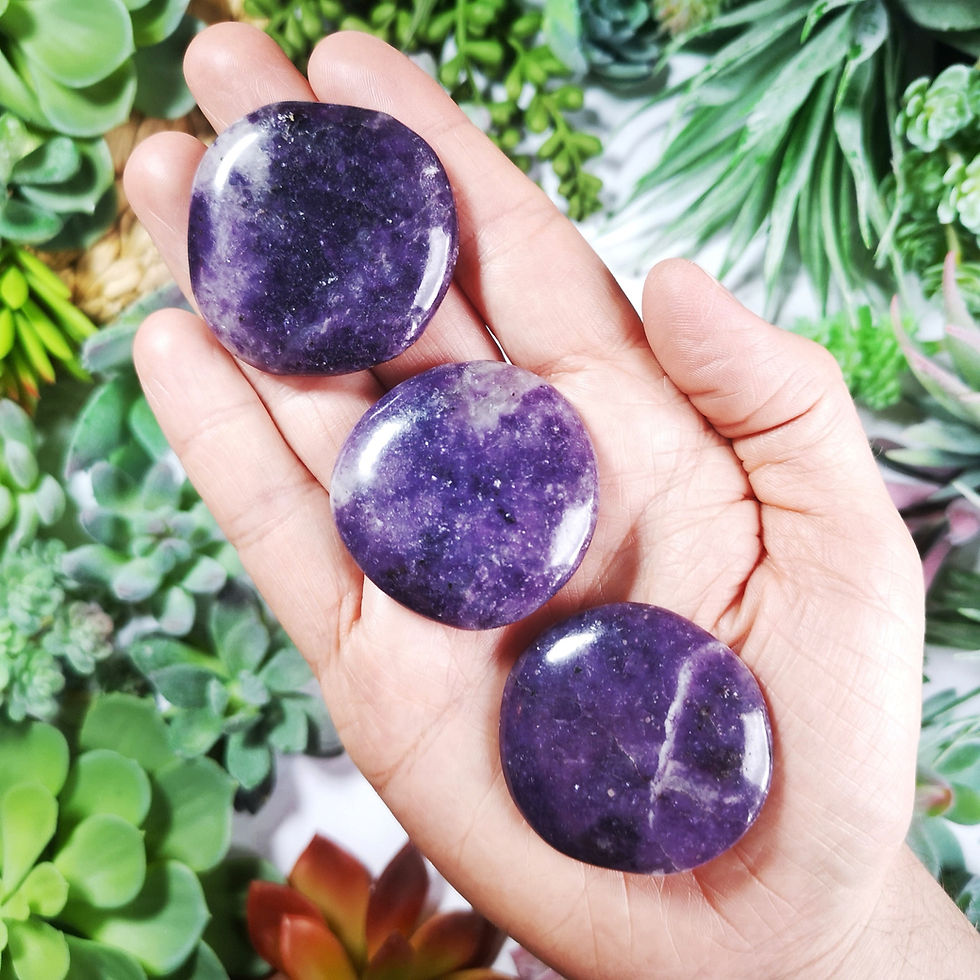
Amethyst: Protection Against Drunkenness
Some stones were believed to protect against everyday dangers rather than supernatural forces.
Amethyst: In Book 37 of his Natural History, Pliny the Elder recorded the claim that amethyst prevented drunkenness.
Historical scepticism: Pliny explicitly rejected that claim, showing that beliefs about gemstone powers were already being questioned in the first century CE.
His account preserves an association that became part of amethyst’s folklore, while also reminding us that ancient writers did not share a single view of magical stones.

British Folklore: Hag Stones and Household Charms
In British folk belief, a protective stone did not need to be a gemstone. Naturally perforated pebbles, commonly called hag stones, were used as charms around homes, stables and boats.
Protection against witchcraft: The Pitt Rivers Museum holds a holed stone collected from a cottage door near Salisbury before April 1881. Museum records describe it as having been fixed there to keep away witches.
Nightmares: Recorded folklore describes holed stones hung near beds to prevent nightmares, which were sometimes attributed to a supernatural visitor.
Safety at sea: Holed stones were also attached to boats as protective charms.
These beliefs reveal an interesting distinction: while hag stones are now associated with modern witchcraft, some of their recorded historical uses were intended to defend against witches.
Why Were Stones Believed to Offer Protection?
The examples above suggest several reasons stones became protective objects:
Colour: A stone’s appearance could connect it with blood, vitality or other culturally significant ideas.
Sacred imagery: Carved symbols and divine figures gave an object a particular religious meaning.
Unusual features: A natural hole could distinguish an ordinary pebble and make it suitable for a charm.
Ritual use: Inscriptions, spoken words and the placement of an object could contribute to its supposed power.
These meanings belonged to particular communities and periods. A stone used for one purpose in ancient Egypt did not necessarily carry the same meaning in Roman society or British folklore.
Protective Stones in Witchcraft Today
Modern crystal practice brings together historical symbolism, more recent correspondences and personal interpretation. Carrying a tumblestone or wearing a crystal pendant may draw inspiration from older charms, although it should not automatically be described as the same practice.
The surviving objects tell us what people valued, feared and hoped to protect. From a carnelian amulet to a pebble hung beside a cottage door, protective stones offer a glimpse into the ways people sought reassurance through the material world.







Comments